

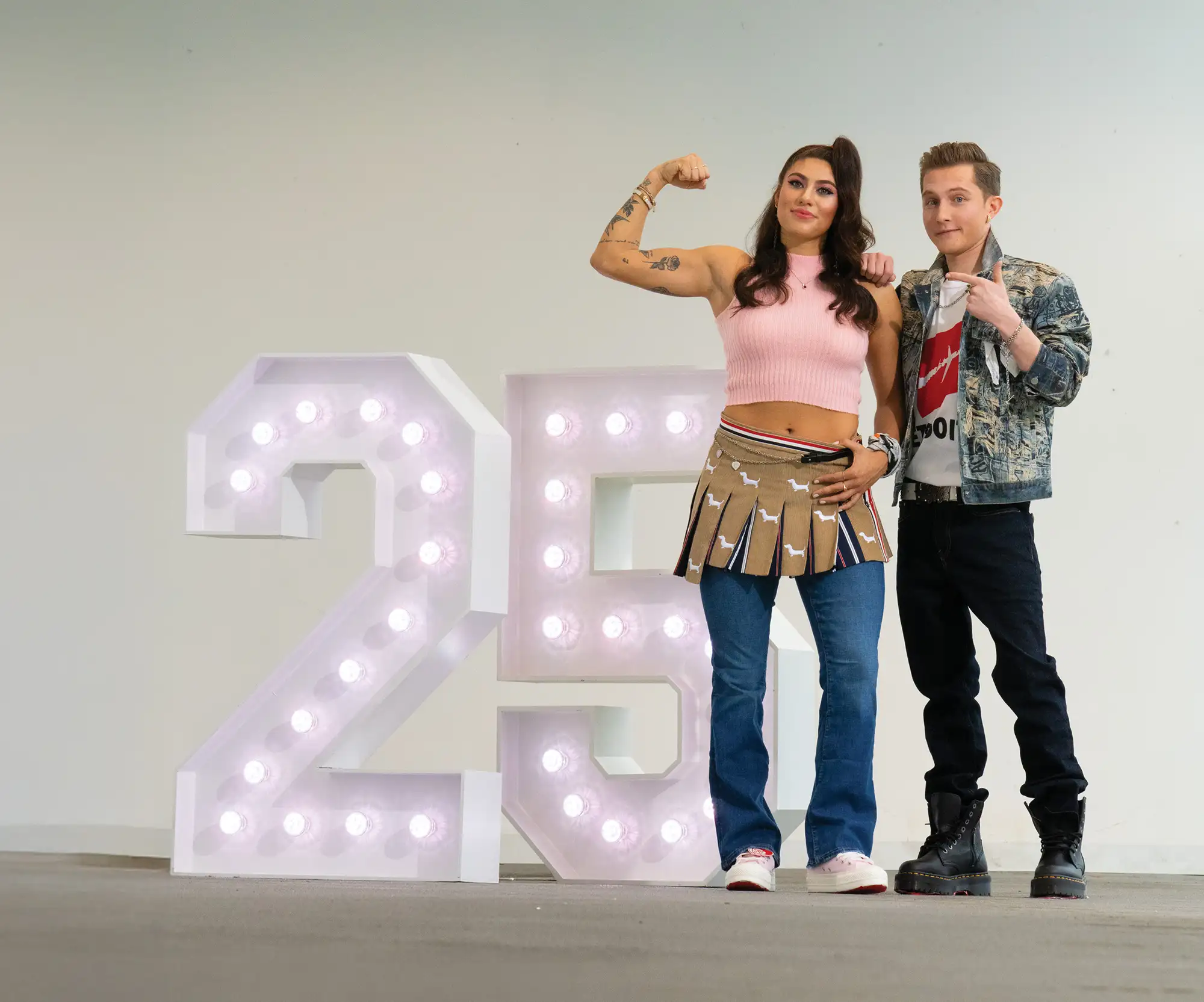
25 in ‘25
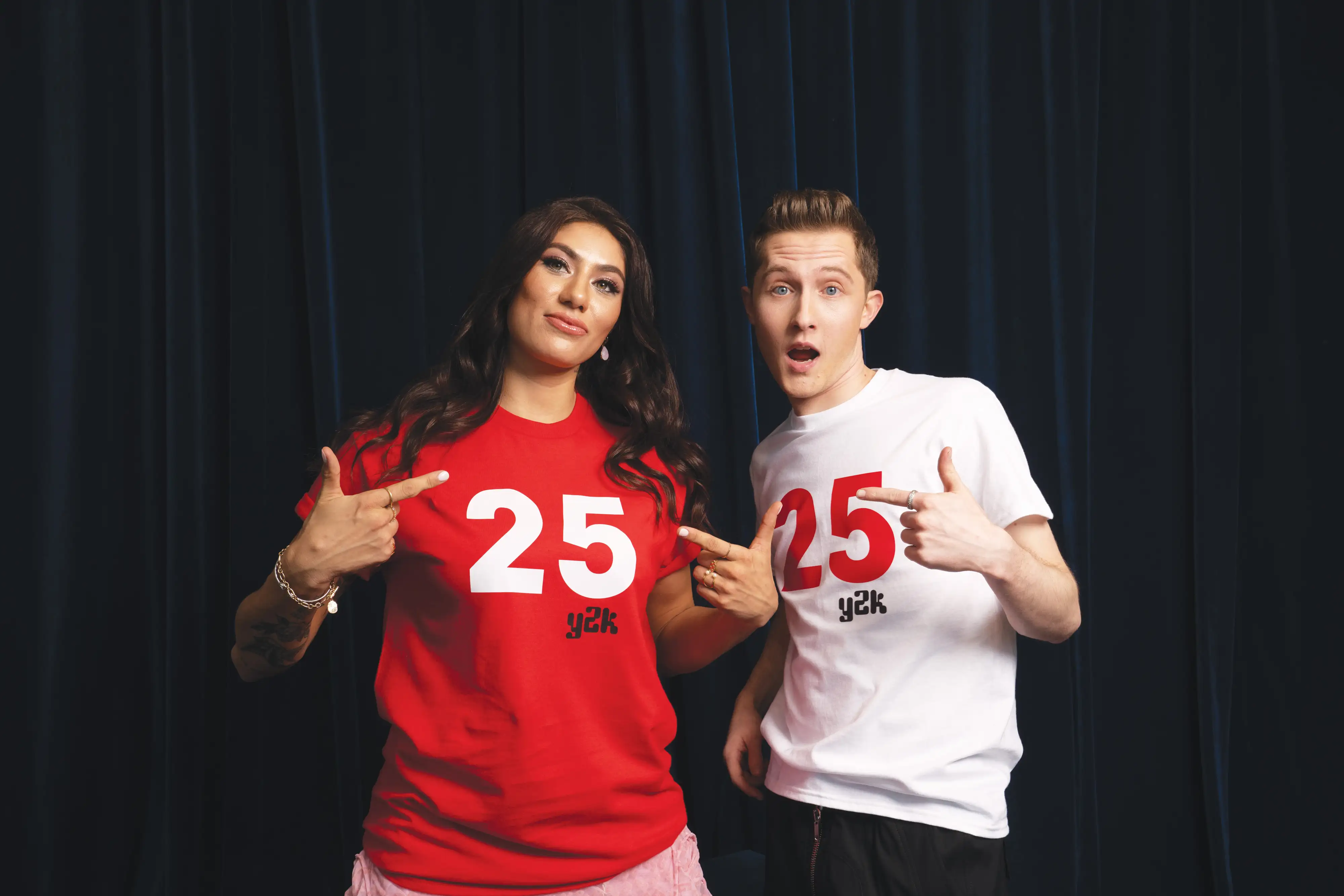
If you want reassurance that the world's going to be left in good hands when you're gone, look no further than Shalaya Valenzuela and Bradley Parks. Ambitious, level-headed, thoughtful and humble, these two 25-year-olds are walking manifestations of a hopeful future
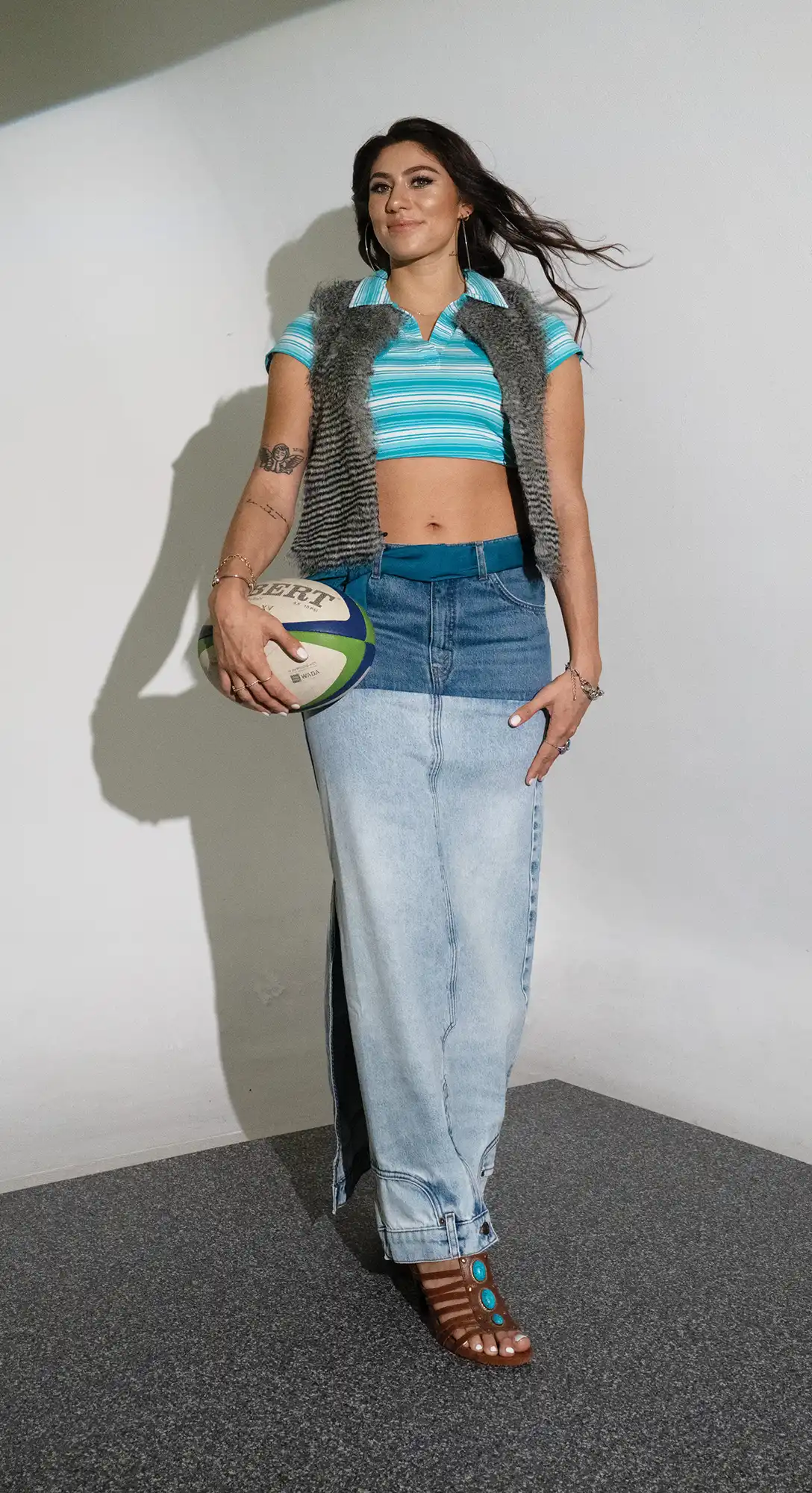
Valenzuela is a professional rugby player, and in 2024 she became the first Indigenous woman from Canada to win an Olympic medal (silver) in rugby 7s. Now she's ready to use her newfound platform to inspire the next generation. “We have to keep getting youth players and young girls watching rugby,” she says. “It really starts at a young age. I didn't even know about rugby when I was little.”
Parks, meanwhile, is a specialized Porsche technician with Porsche Centre Richmond, working on cars that are nothing short of artworks. He began his career as a motorsport driver, but he soon fell in love with the behind-the-scenes magic of mechanics. He also happens to be B.C.'s “millennium baby”: the first kid born in the province in the year 2000, when everyone thought Y2K would break the world. In Coquitlam, where he was born, they even threw him a parade. “Unfortunately, I don't remember any of it,” he says with a smile. He would have been only about a month old, so he's forgiven.
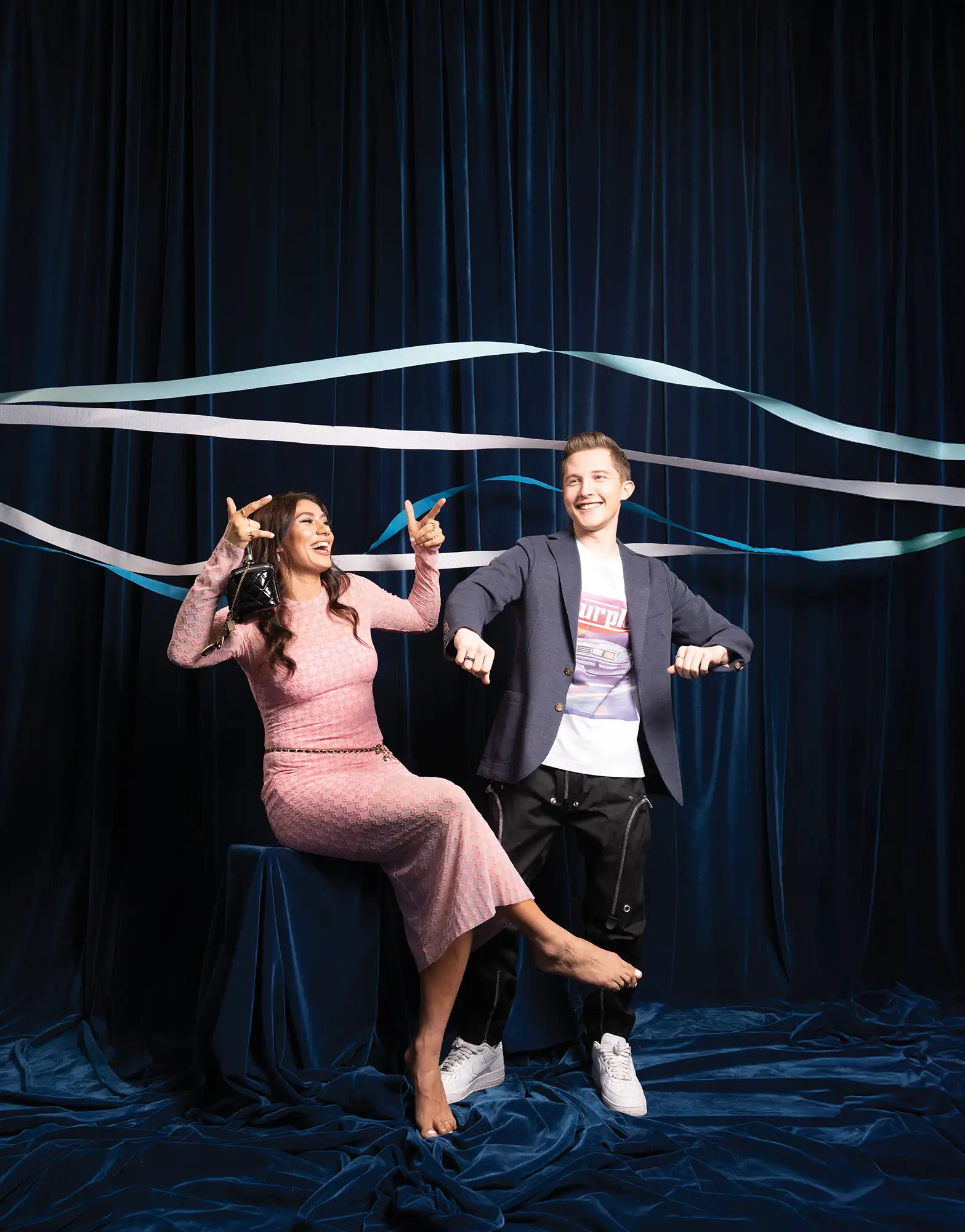
Regardless of age, we all have something to learn from these two impressive individuals.
In the last 25 years, a lot has happened. There's been a global pandemic, a global financial crisis, the invention and boom of the smartphone, and the onset of climate change. That's a lot for a 25-year-old person to be weathering. How have those large moments shaped the way each of you lives your life?
BP: With smartphones, being able to see wars overseas - I feel like being able to see stuff like that is eye-opening. You can be sitting at your kitchen table with your friends and family, but you're seeing people who are overseas, earthquakes happening in Japan, and so on
SV: The time now, with so much access to what's going on around us, and way more exposure, I feel like we've had to grow up a little bit quicker in certain ways. And I think for our parents, it's hard to understand the stress that comes with that. I feel like I'm hyper-aware of all these crazy things going on around the world, and we're already going through a really stressful time in our lives - just with so much change, self-discovery and responsibility. And then also knowing what's going on around us, it can be a bit overwhelming. But also, it can make you realize how privileged we are over here.
What tools do each of you use to navigate through those things?
SV: Being present. I don't want to be ignorant to what's going on around the world, and I find that stuff pretty interesting; it's a lot of learning with how things are changing. So, it's trying to be present and focusing on yourself, but also being open-minded and aware of what's going on around us, and recognizing our privilege here and our responsibility to still be a voice for people without voices.
BP: I definitely agree with that. I find that with social media nowadays, you can go down the deepest rabbit hole of rabbit holes, so I really try to just take a little grain of salt from everyone's basket. There's a lot of stuff behind the scenes that people used to not get to see, which our generation gets to see the most, versus my parents, who don't do the whole social-media thing.
This story has been edited and condensed for clarity. Read the original version in the Spring/Summer 2025 edition of driver magazine.
Pick up your copy from an OpenRoad Group location in BC, or subscribe to receive our next issue.